Portfolio Category: Identity

  • Primal Kitchen Rebrand

    Primal Kitchen Rebrand

    About

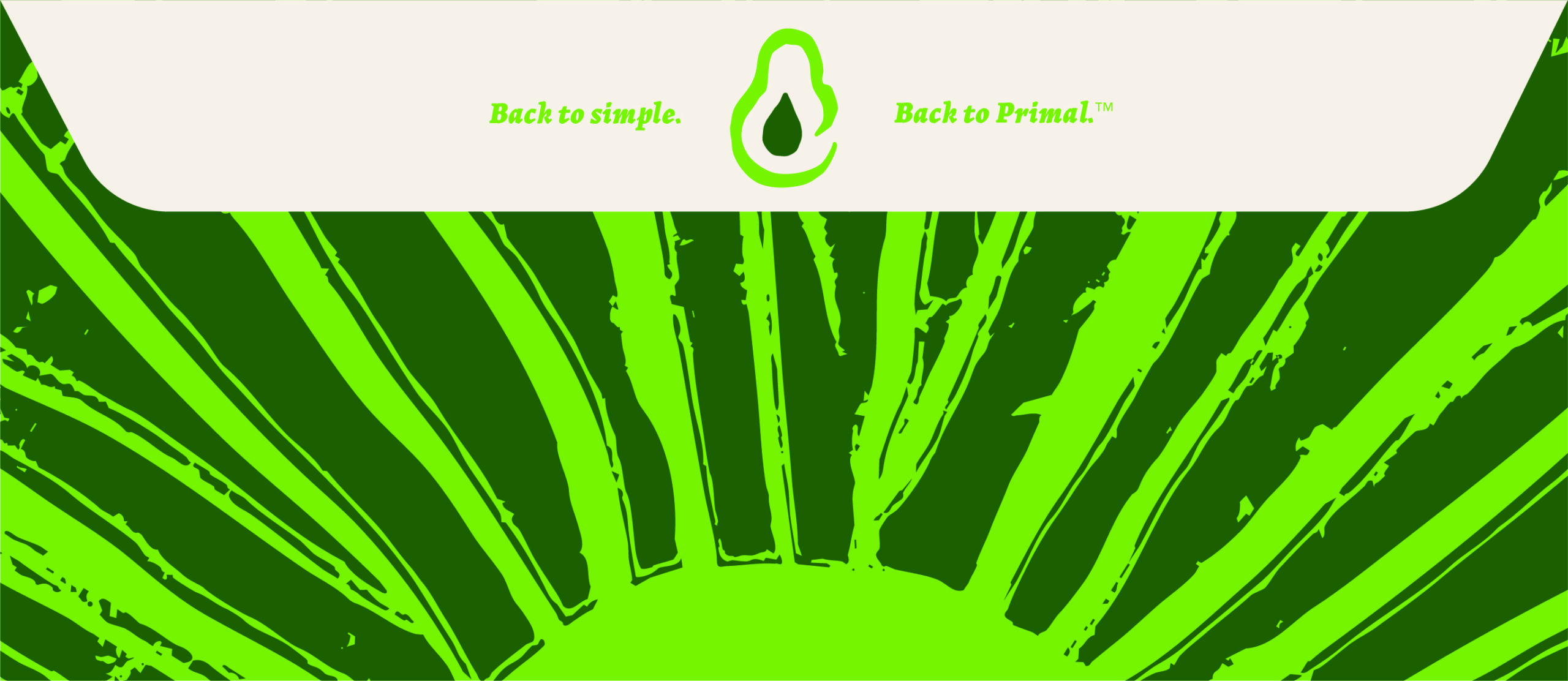
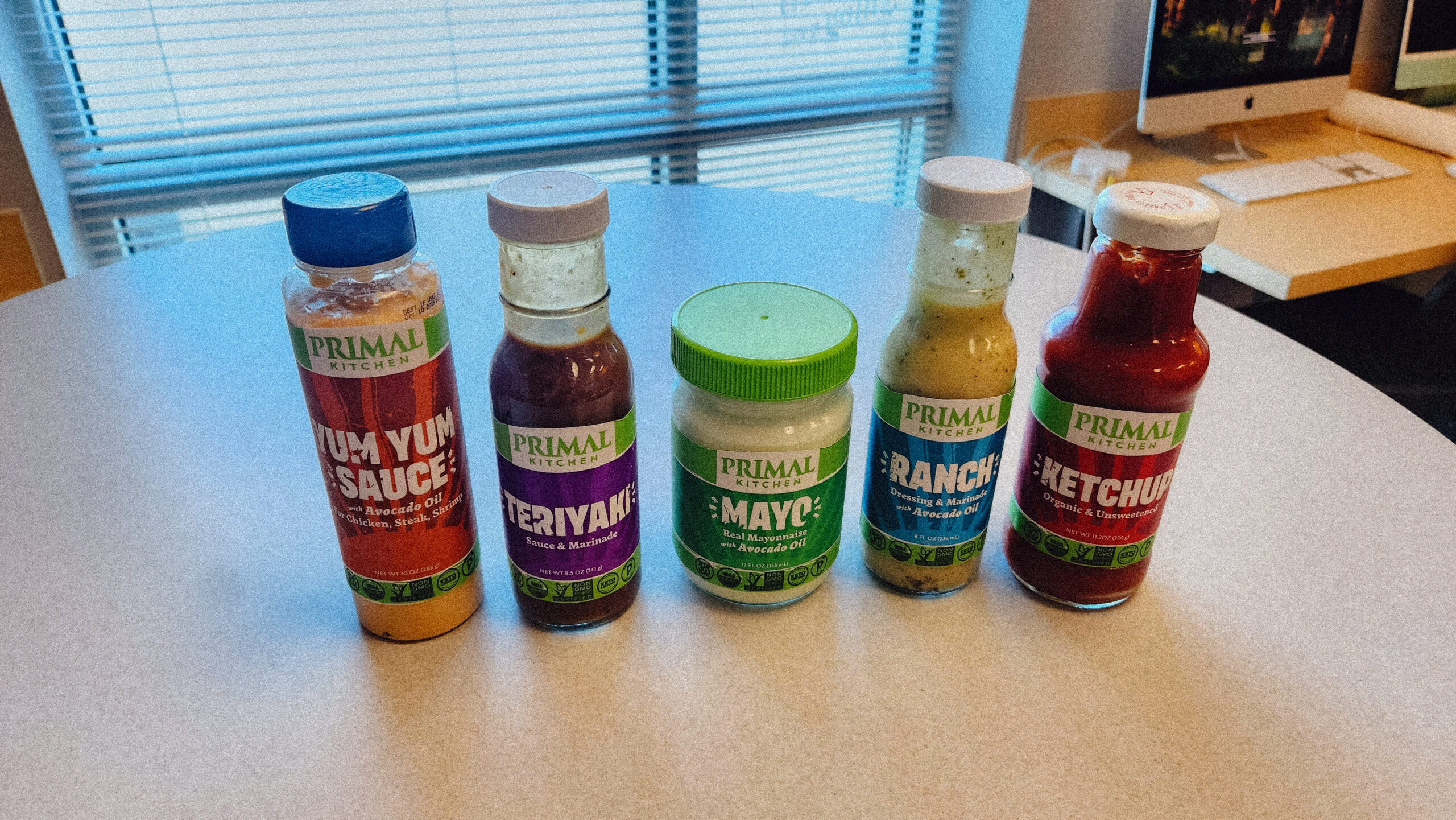
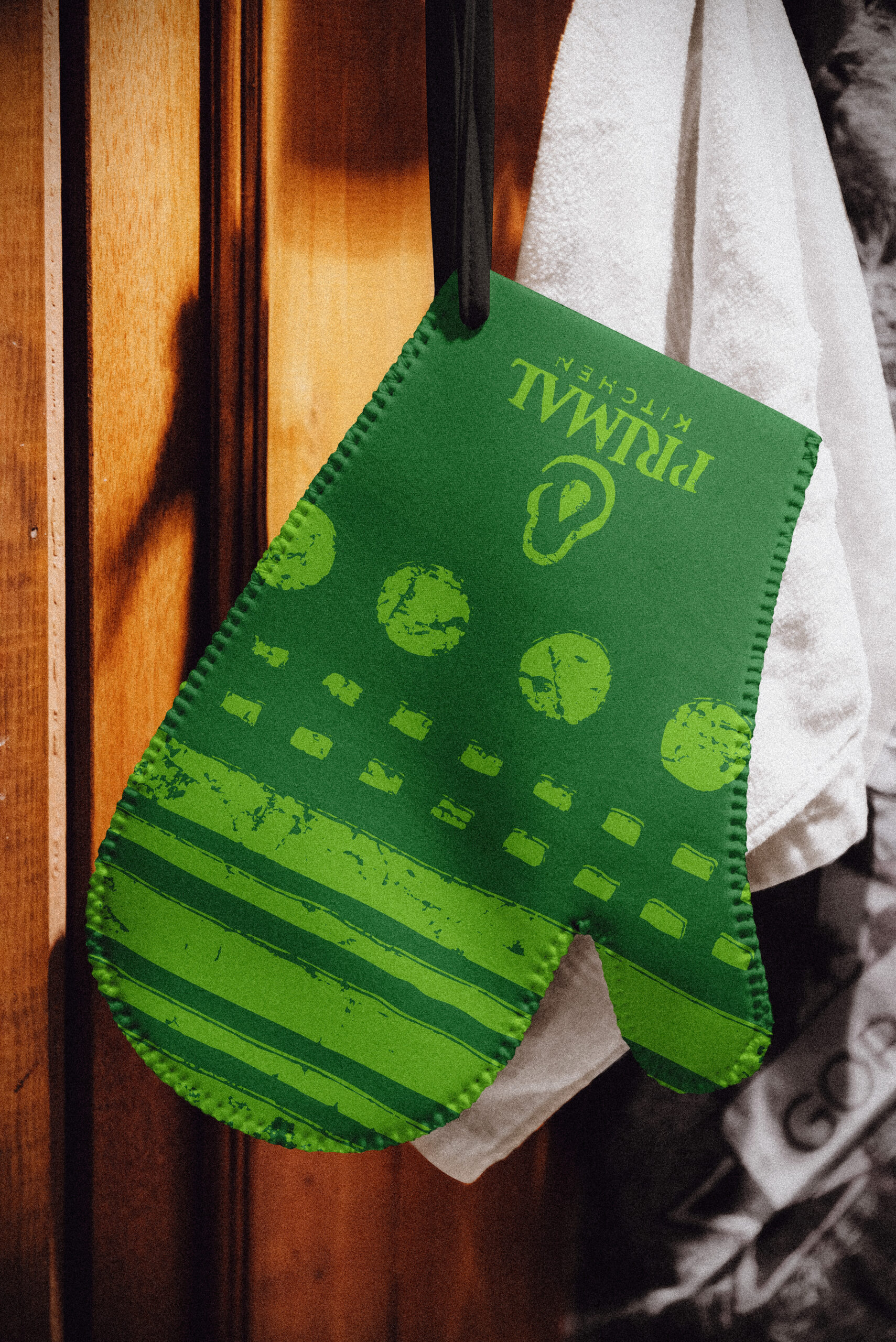
    Primal Kitchen is a health food brand specializing in condiments and dressings formulated for keto and paleo diets, with avocado oil as a core differentiator. The target demographic for this rebrand is older Generation Z consumers who are seeking alternative condiment products. The caveman logomark was replaced with an avocado, which already appeared across nearly all packaging and digital applications. Beyond resolving the original mark’s scaling and orientation issues, the avocado more clearly communicates the brand’s identity. The logotype retained Trajan as its base, with an upper arc distortion and hand-drawn texture added to make it more ownable. The avocado logomark’s seed was replaced with a sauce drip, subtly nodding to the brand’s product line. The primary brand color was preserved after competitor research confirmed it already held strong market differentiation and had built meaningful equity over time. Supporting colors are new — earthy tones alongside off-whites and off-blacks to signal an organic, handcrafted quality.

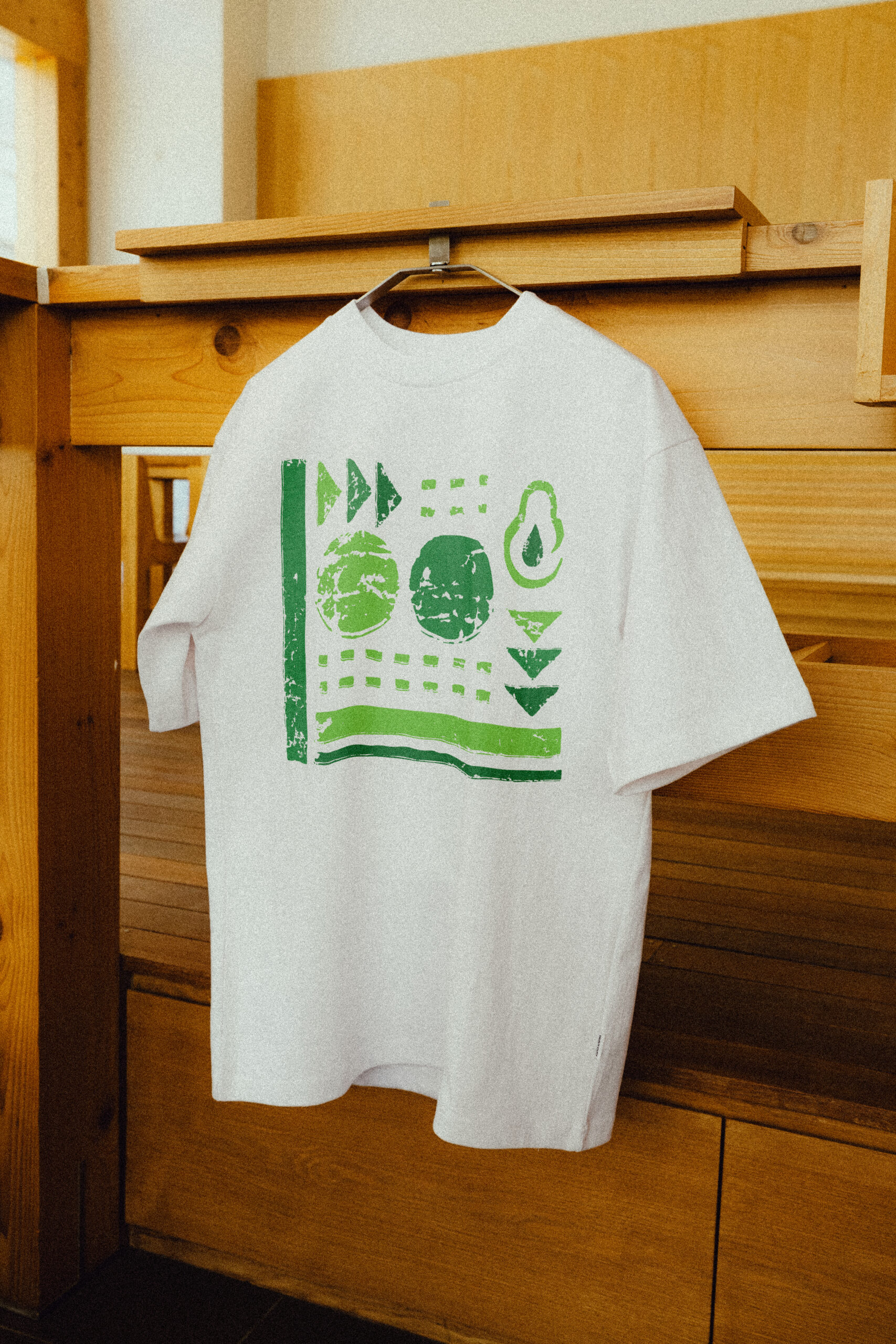
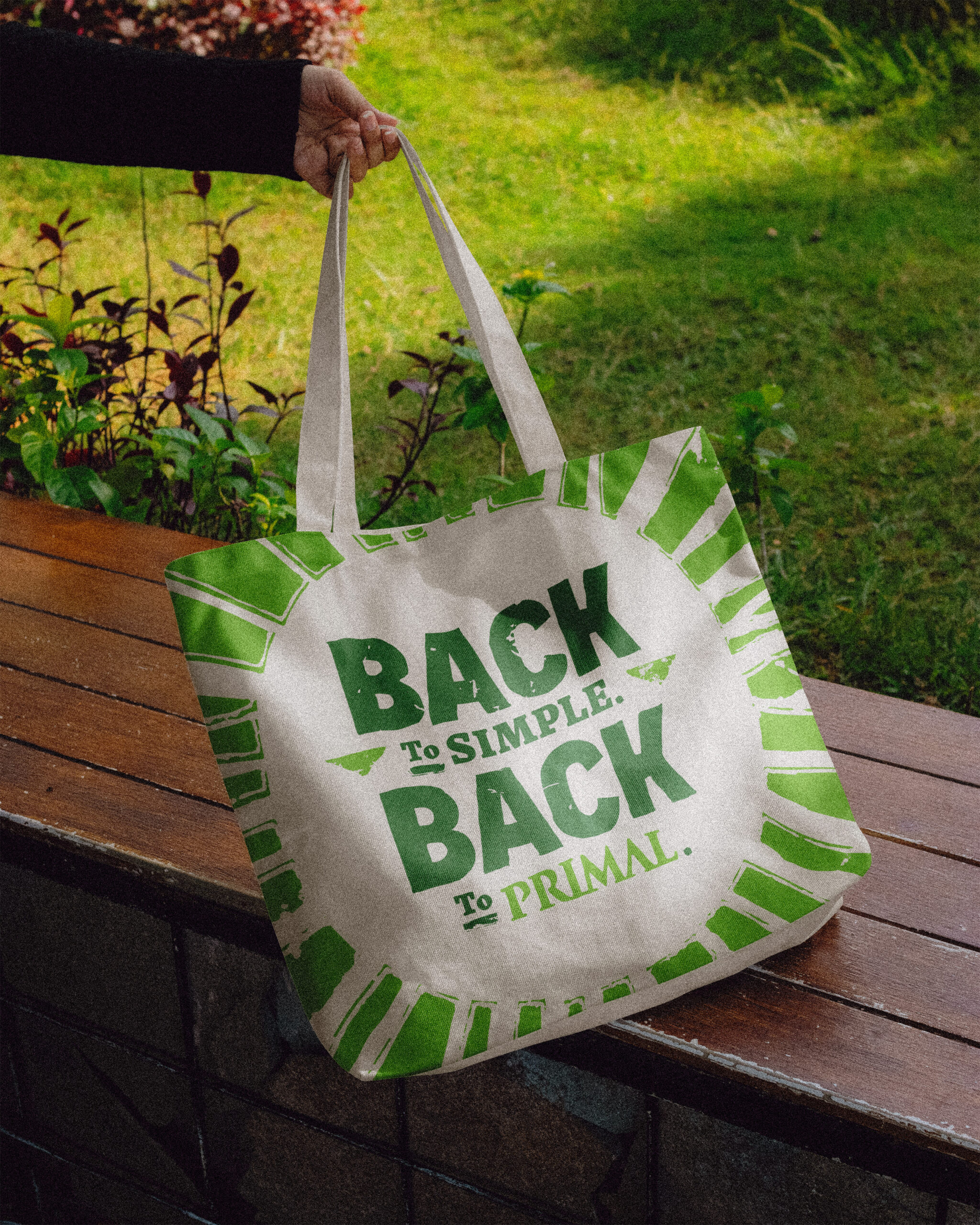
    For imagery, Kodak Ektar 100 film presets were selected for their fine grain and more saturated color rendering, better suited to food photography and appealing to Gen Z’s affinity for analog aesthetics. The Primal Sunburst was elevated to the primary brand element and given a block-printed texture — previously underutilized, it best captures the brand’s vintage-yet-modern sensibility. The existing cave painting pattern was removed due to stylistic inconsistency, while geometric shapes were reframed as secondary, utilitarian elements and similarly textured.

  • Marty McPies Rebrand

    Marty McPies Rebrand

    About

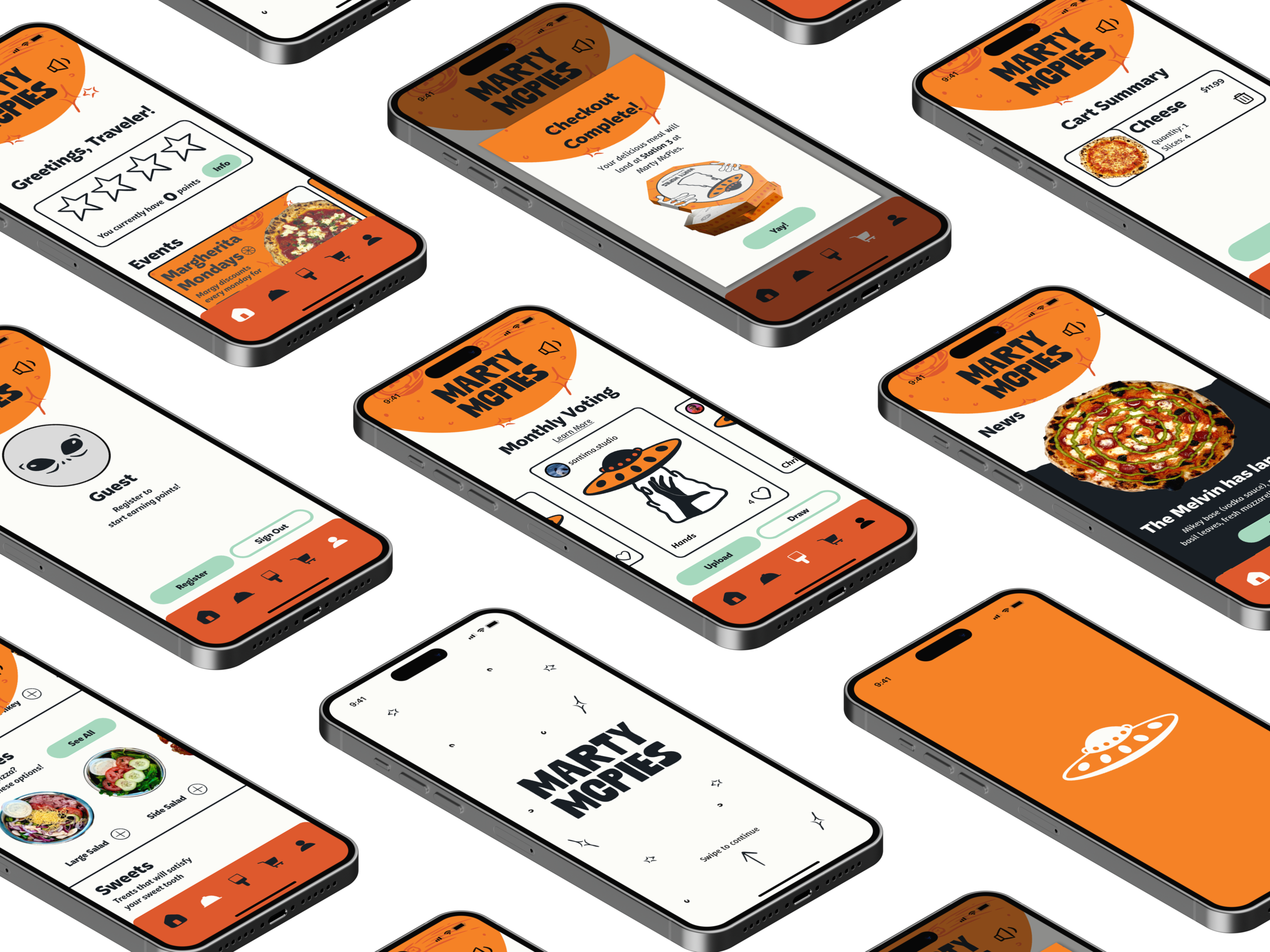
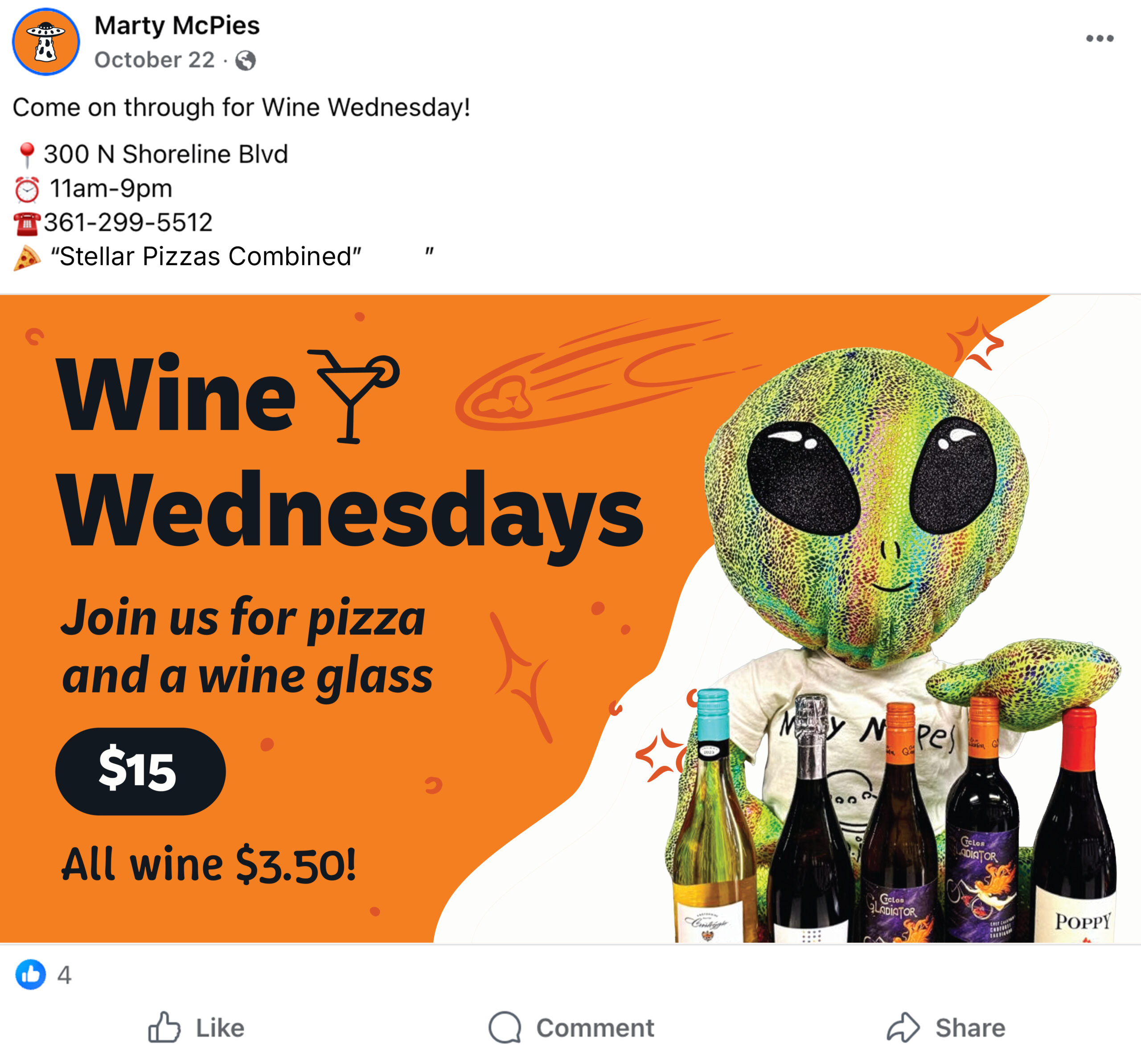
    Marty McPies is a scratch-made pizzeria in downtown Corpus Christi, Texas. This project was guided by a central mission: how can we entice more Corpus Christi locals and tourists to visit Marty McPies’ physical location? Primary and secondary research revealed two interconnected obstacles — limited visibility in a busy downtown setting, and a lack of accessibility features for customers with disabilities.

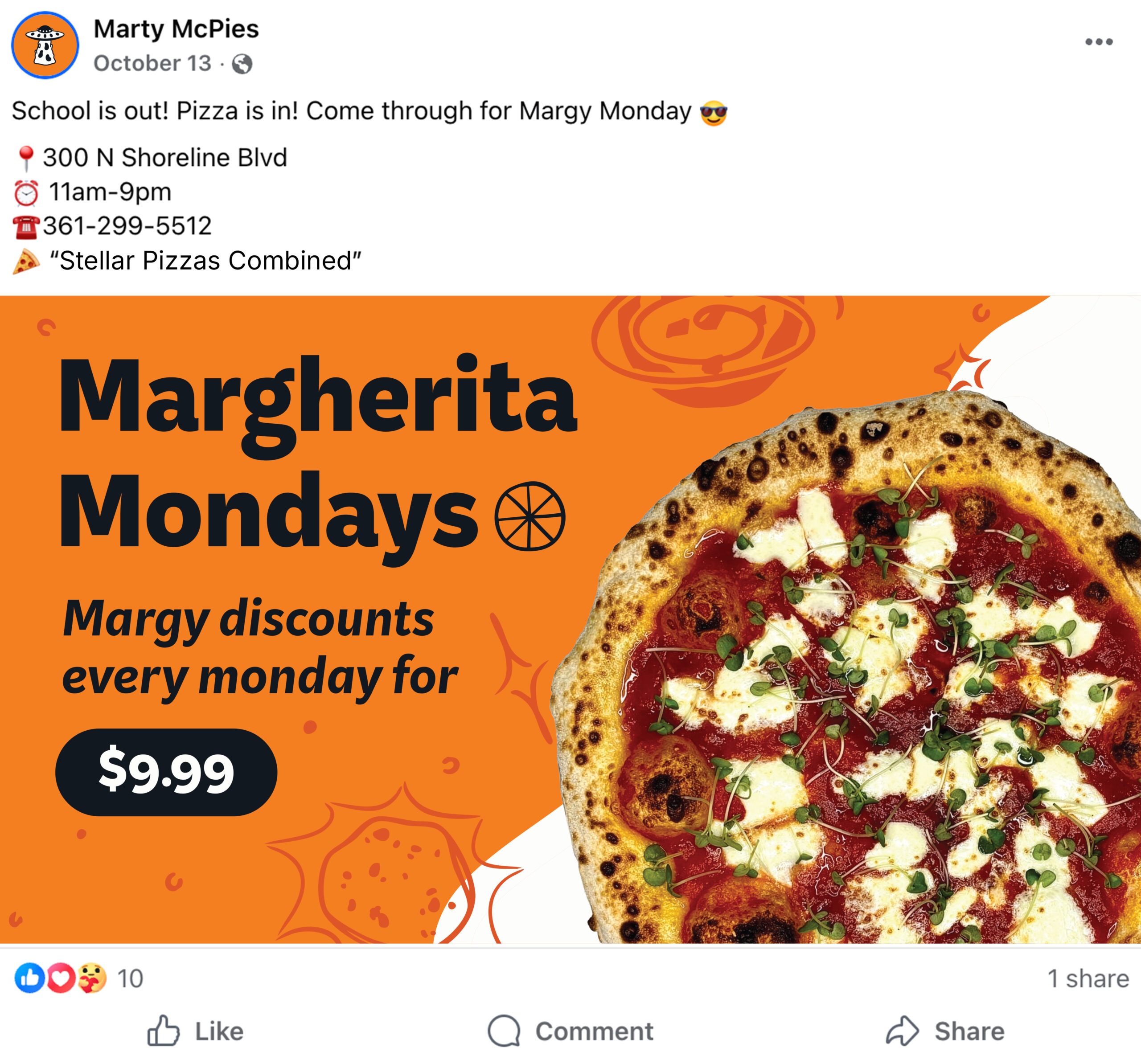
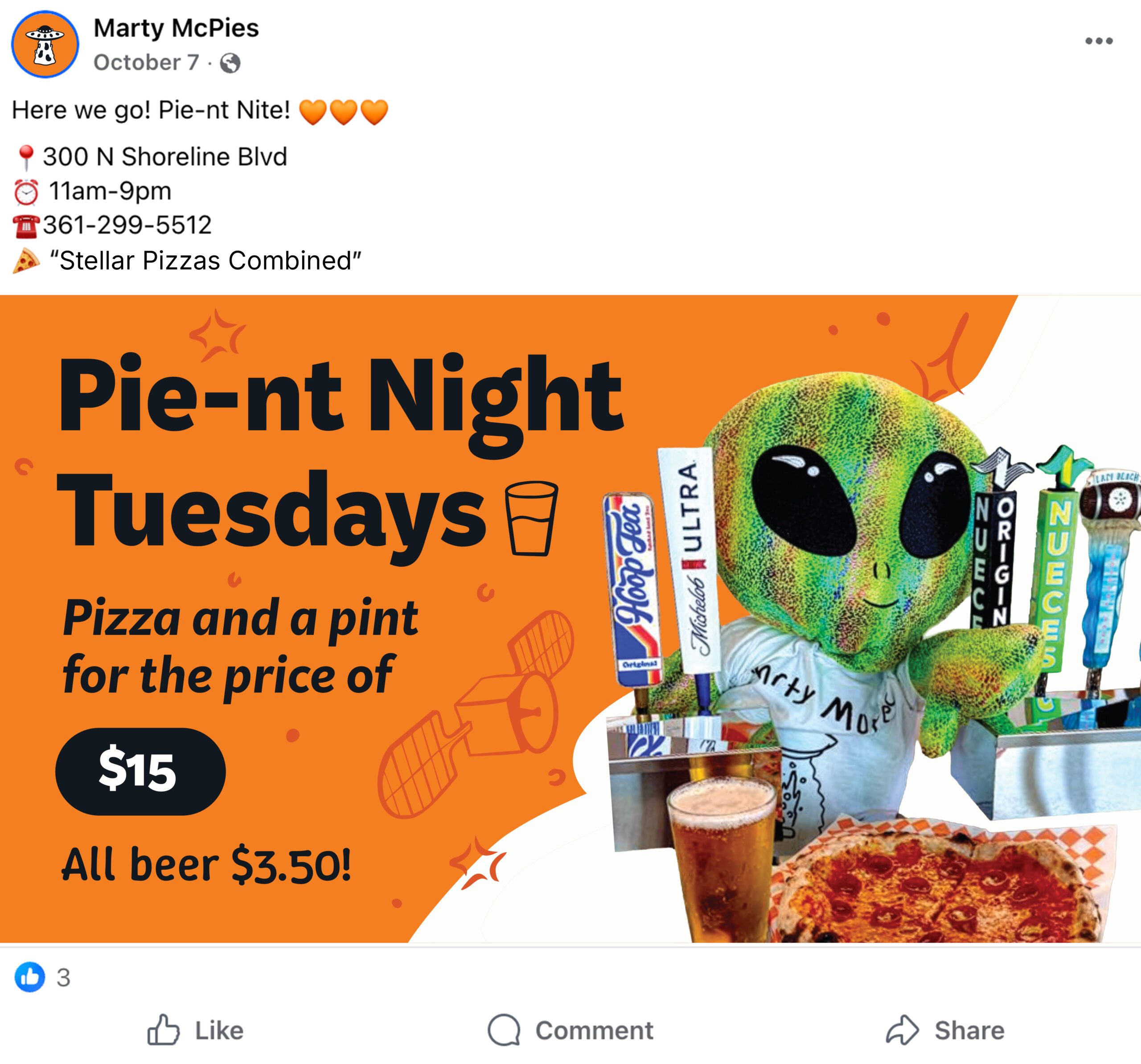
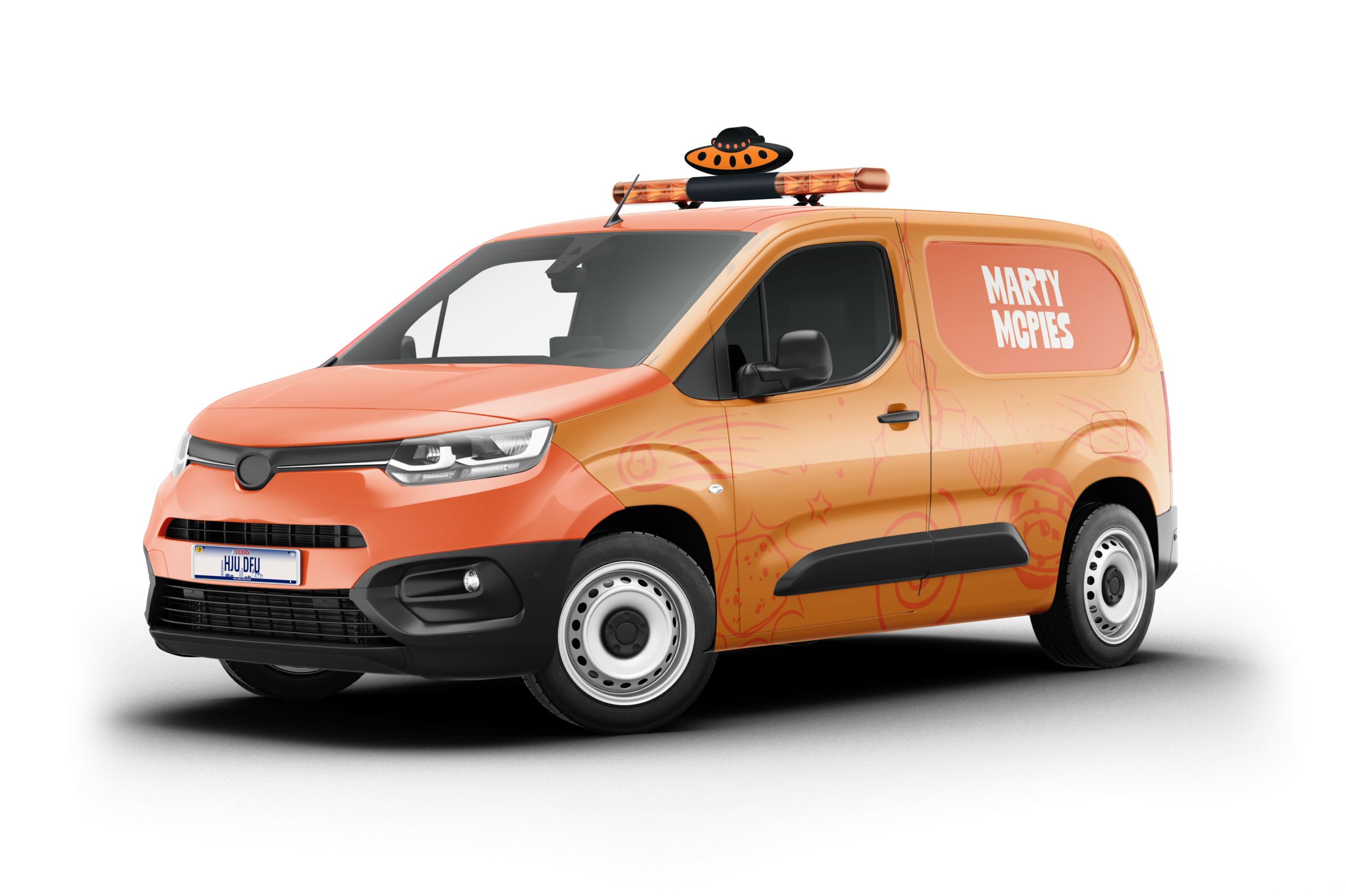
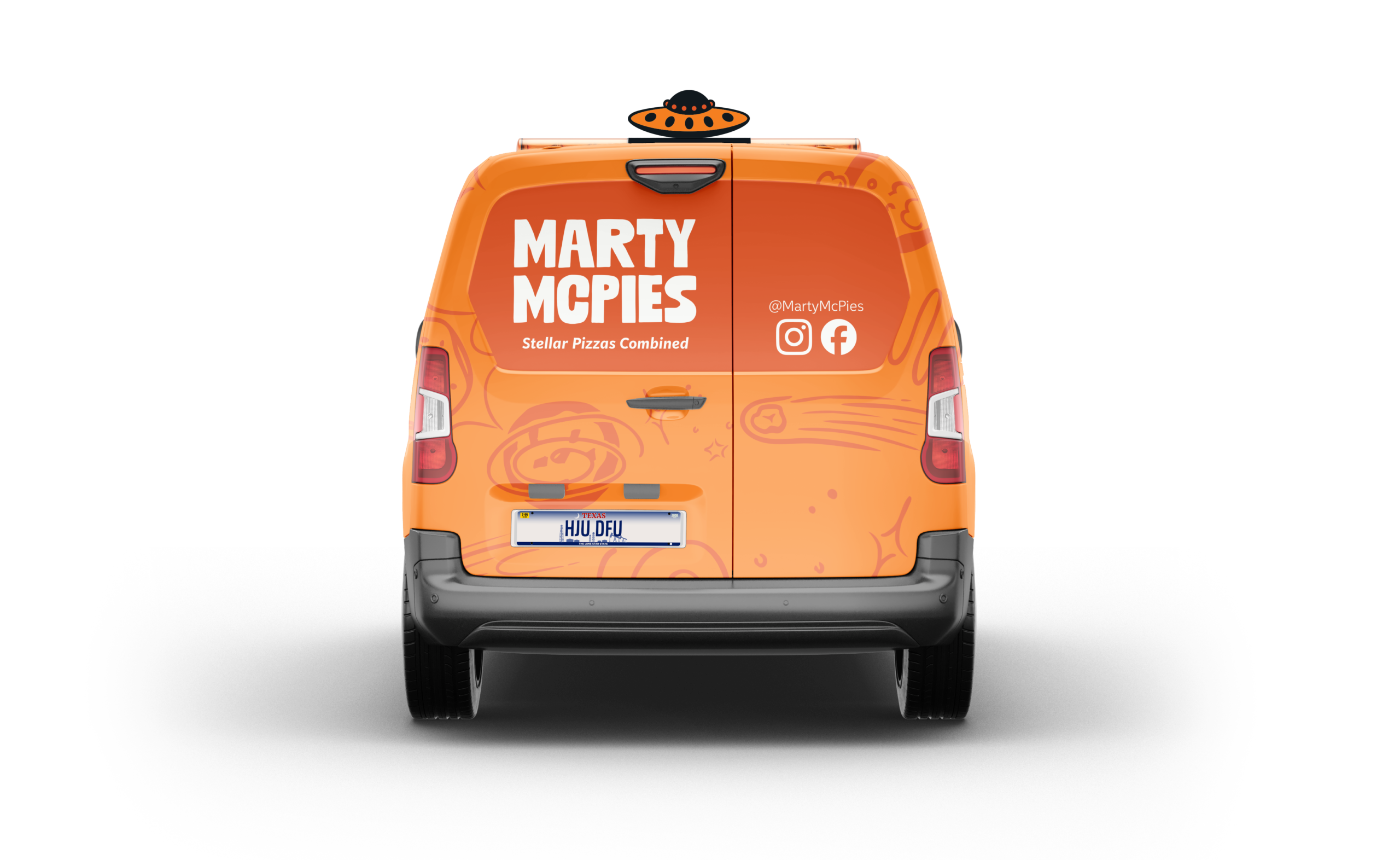
    The existing logo was refined rather than replaced, preserving the UFO while making it more scalable and dynamic. The UFO beam was redesigned to resemble a pizza slice, directly nodding to the product. A customizable element was introduced allowing customers to draw within the beam — inviting word-of-mouth marketing through a unique, participatory brand experience. Submissions are eligible for a monthly competition hosted by the brand. A new illustration system was also developed to streamline and unify visuals across all brand collateral. The color palette was audited for color blindness compliance, and new patterns were introduced to better differentiate the brand from competitors. A new rooftop restaurant sign was created, significantly increasing the location’s visibility from the surrounding area.

    On the accessibility side, tactile floor decals guide customers to the register and restrooms, and braille menu options were explored — ensuring the Marty McPies experience is one that anyone in Corpus Christi can find and enjoy.

  • GAIA Sustainable Art Supplies

    GAIA Sustainable Art Supplies

    About

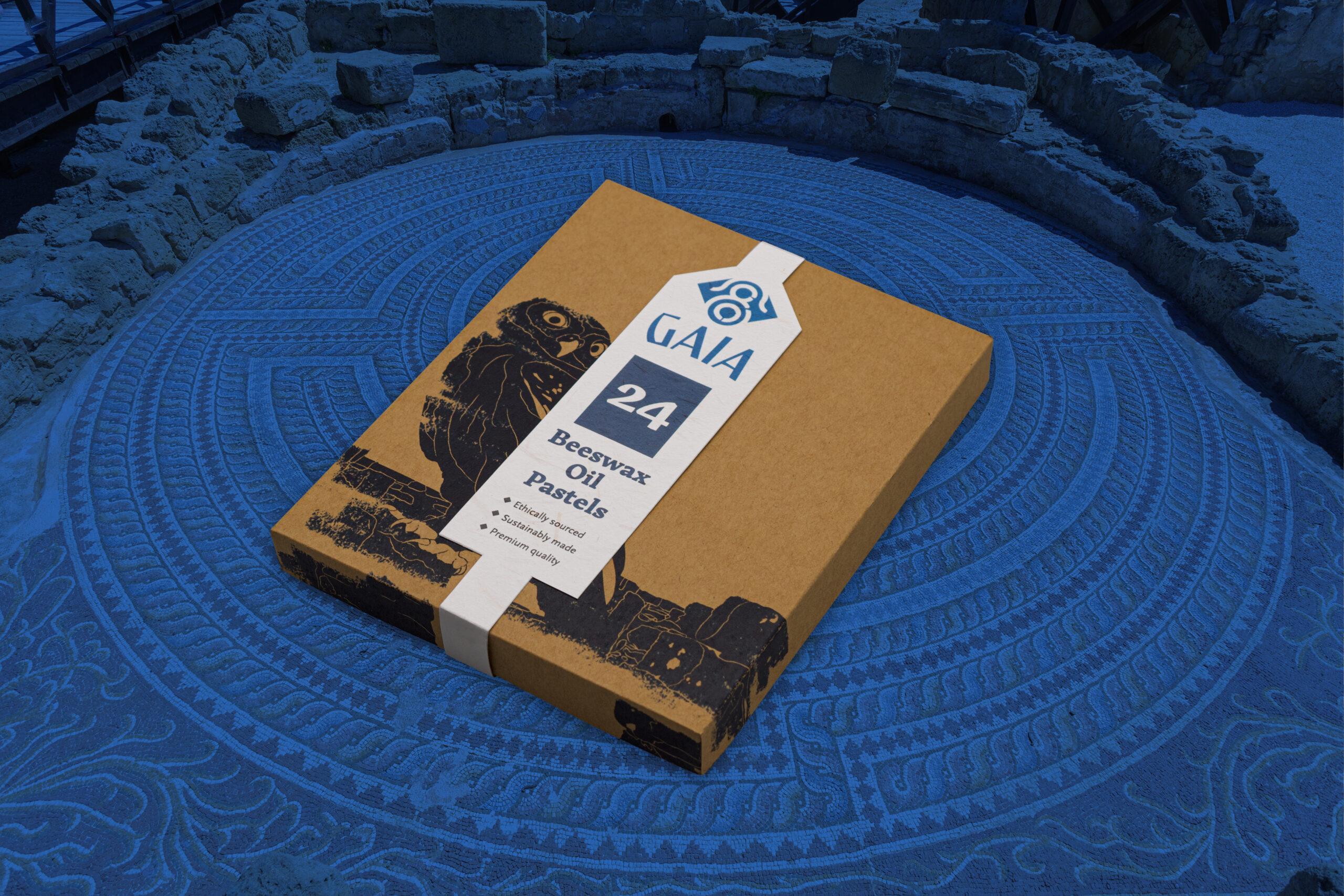
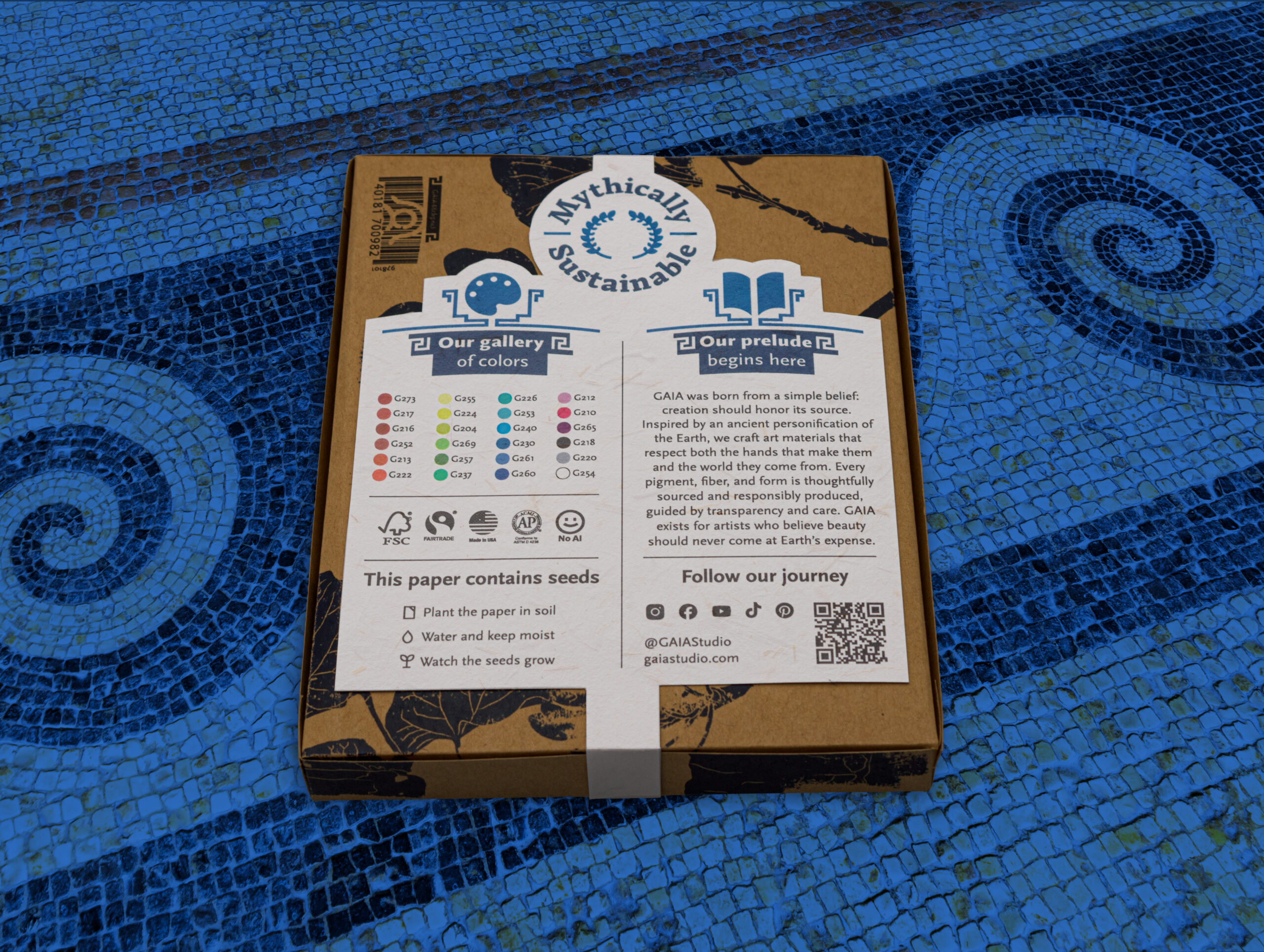
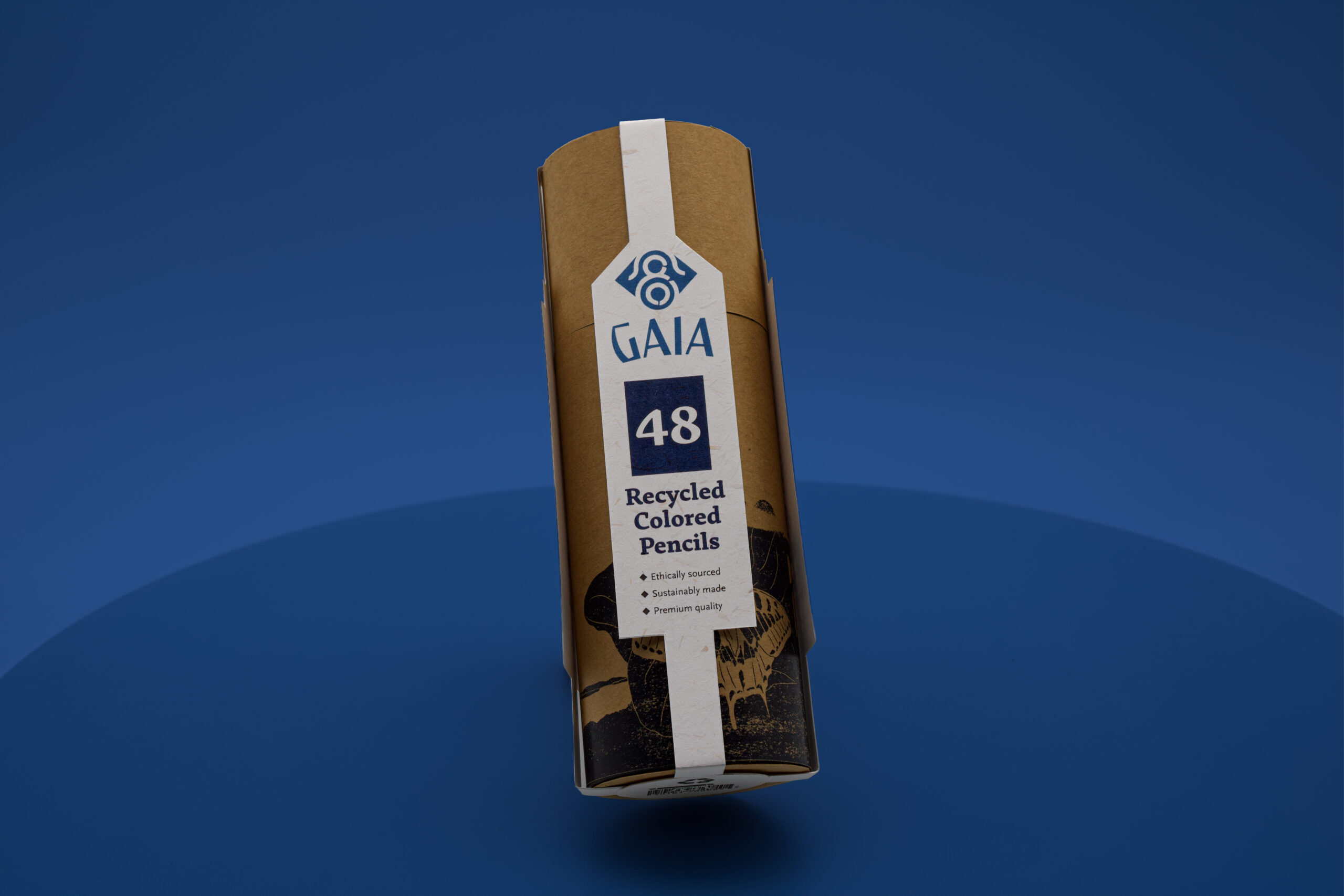
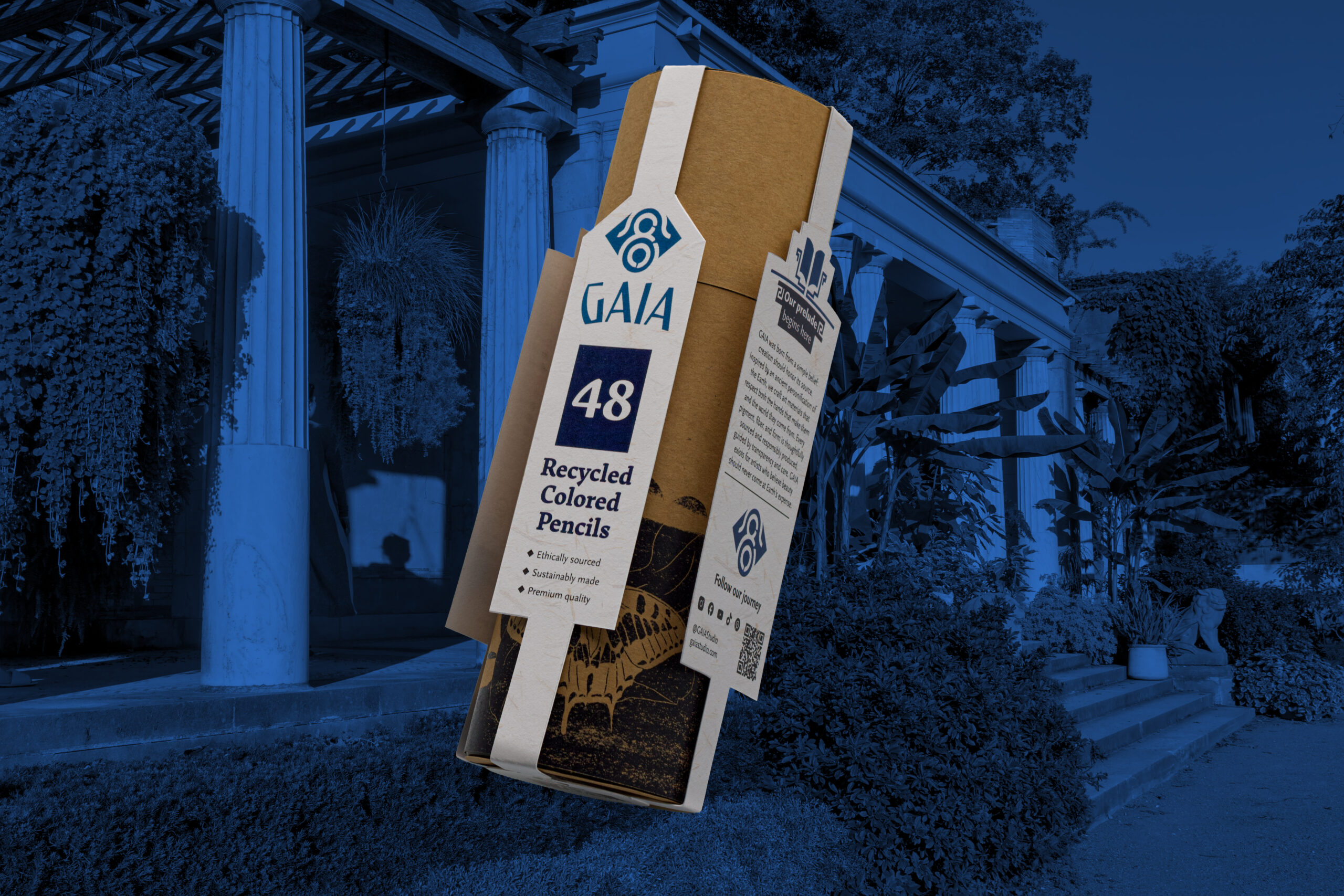
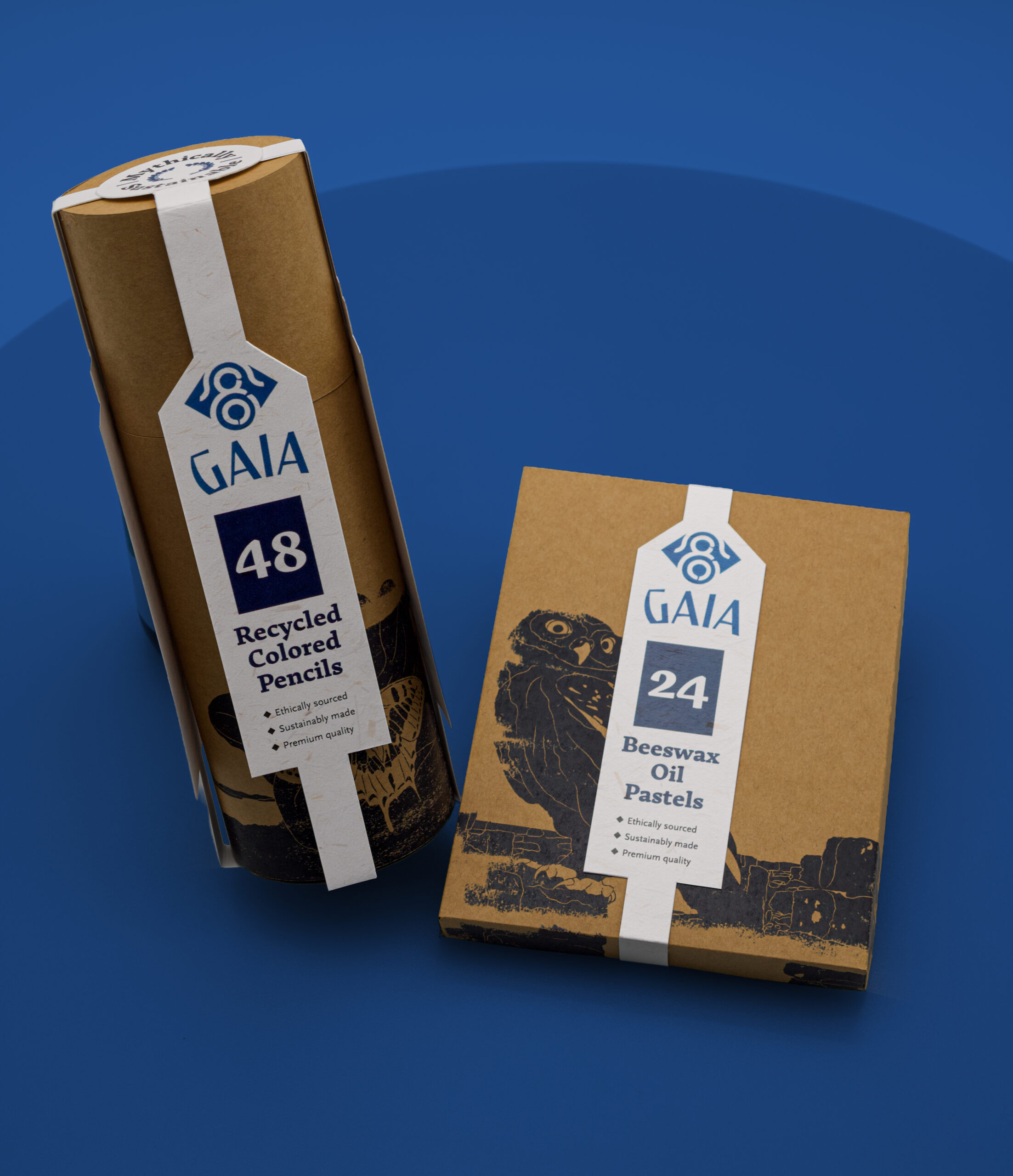
    GAIA is a sustainable art supply brand that reimagines creative tools through an ethical, environmentally conscious lens. Inspired by the Greek personification of Earth, the project explores how branding and packaging can reconnect art-making with its natural origins. Developed through research into industry practices and consumer values, GAIA positions itself as a response to the hidden environmental and social costs of traditional art materials—offering a system where creativity and responsibility coexist. The visual identity reinforces this concept through a color palette of deep blues, mineral greens, and warm neutrals that both imply sustainability and reference the tones of ancient Greek art and landscapes, grounding the brand in both history and nature.

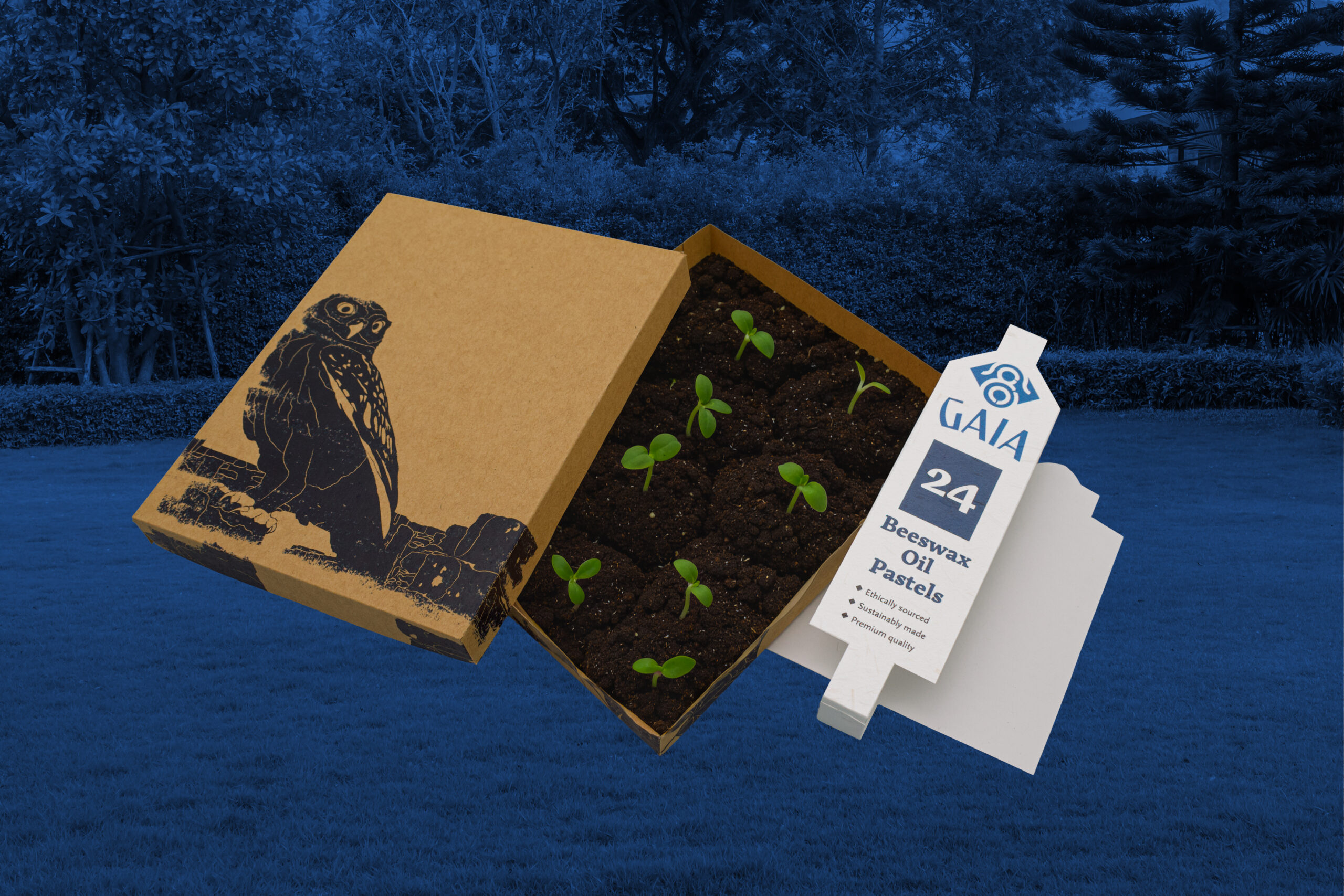
    At the core of the brand is a commitment to transparency, sustainability, and premium craftsmanship. The product line includes biodegradable beeswax oil pastels and recycled colored pencils, packaged in reusable and recyclable formats designed to reduce waste while maintaining a high-quality user experience. The packaging system draws inspiration from ancient Greek pottery, with illustration styles that echo classical forms while incorporating textured, imperfect mark-making that reflects the tactile quality of the materials inside. Each package is wrapped with a seed paper belly band that can be removed and planted, allowing the product to give back to the Earth by creating new life—an extension of GAIA’s philosophy that creativity should be regenerative rather than extractive.

  • Vellé Sparkling Coffee

    Vellé Sparkling Coffee

    About

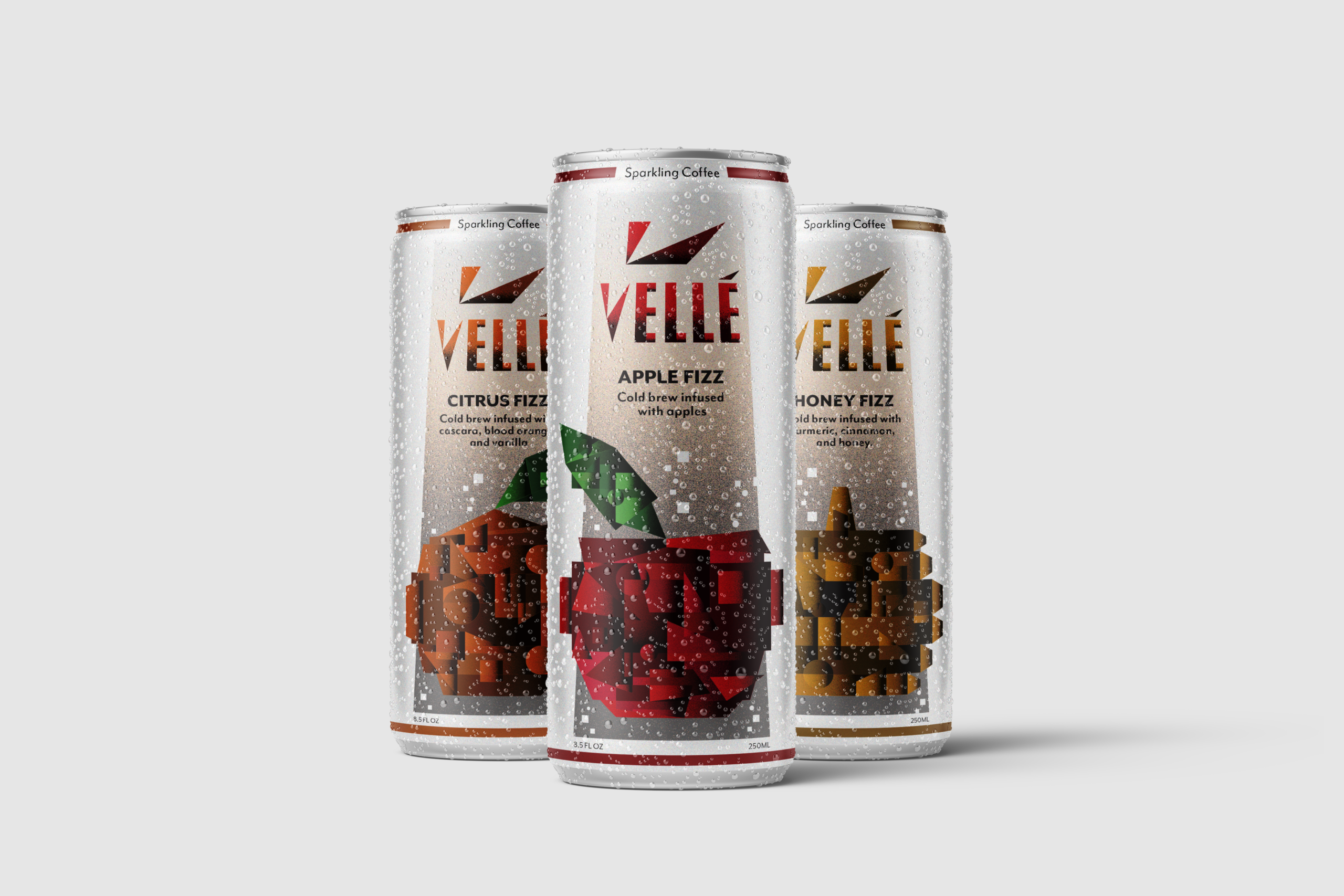
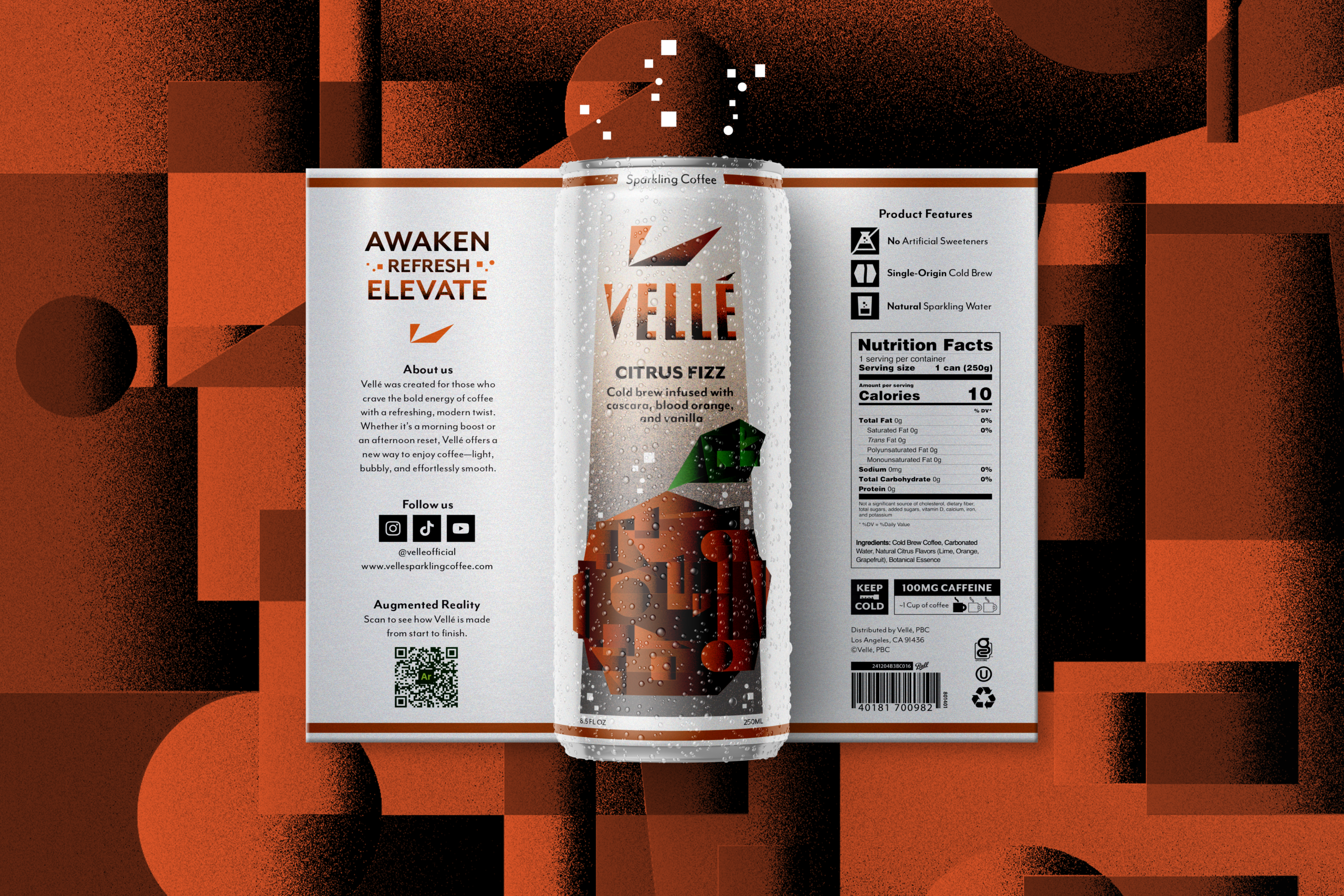
    Vellé is a sparkling cold brew coffee brand inspired by European café culture — blending premium cold brew with crisp carbonation and natural flavors for a sophisticated, refreshing alternative to traditional energy drinks.

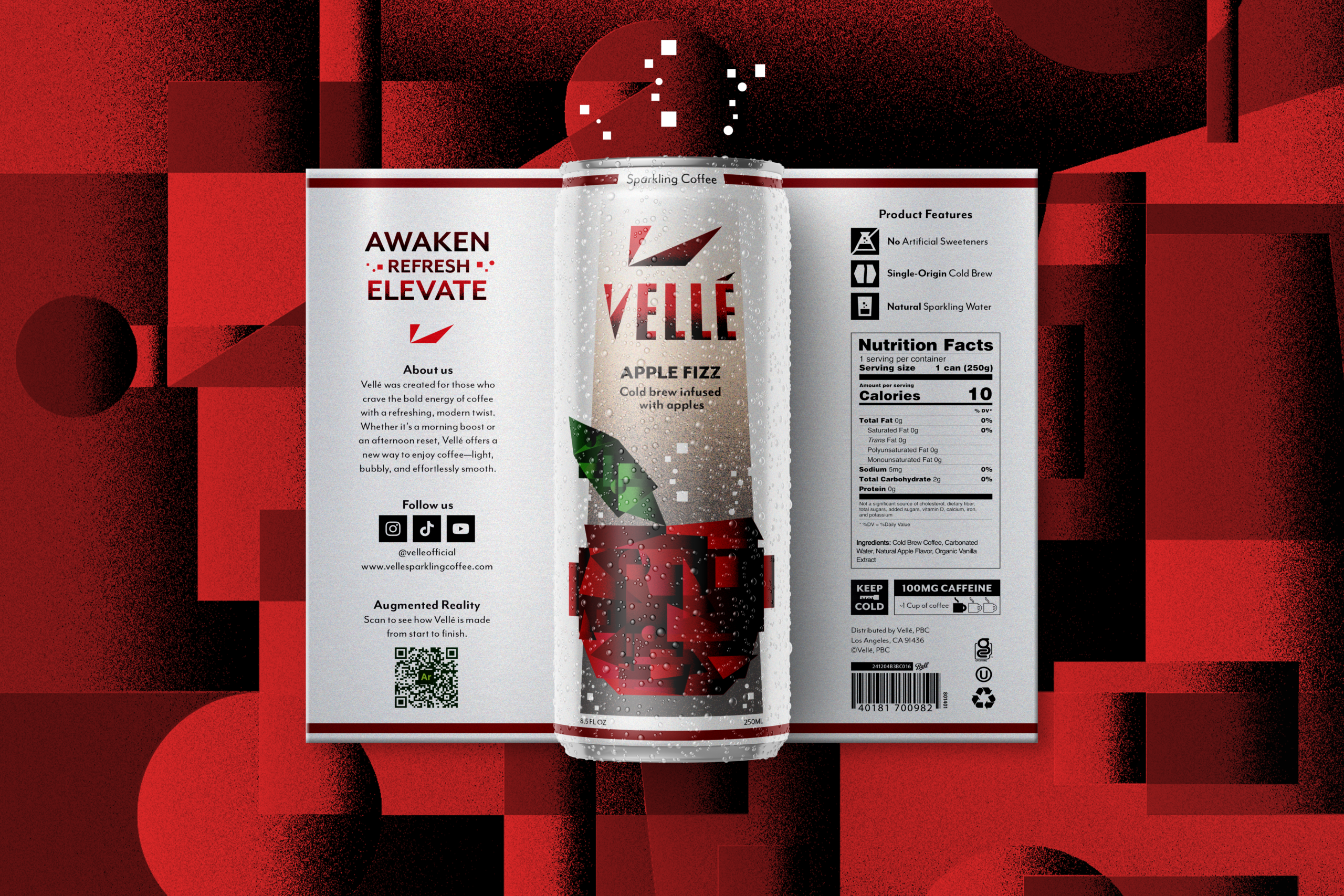
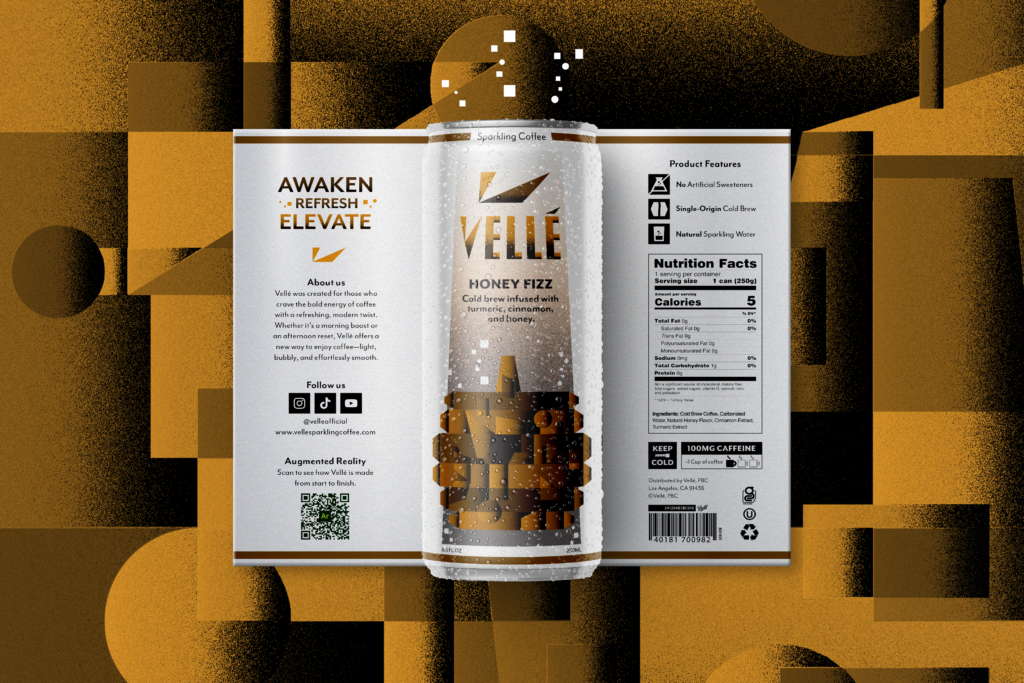
    The visual direction draws from Art Deco, Cubist, and Futurist design movements. The logomark — an abstract swoosh — conveys elevation and energy, nodding to the product’s ability to wake you up. Packaging compositions are centrally aligned to maximize the can’s visual real estate while maintaining clear hierarchy. Fruit illustrations are rendered in a deconstructed, Cubist style built from basic geometric shapes, creating visual cohesion with the logomark while implying a premium tone through abstraction. An omnipresent grain texture runs across all packaging, evoking the product’s carbonation. Legal details such as manufacturer information and serial numbers were referenced from real cans for authenticity.

    As a supplementary experience, an augmented reality feature was built using Adobe Aero — activated via packaging, it walks users through Vellé’s product features and rewards completion with a discount code.

  • Ligatur. Magazine

    Ligatur. Magazine

    About

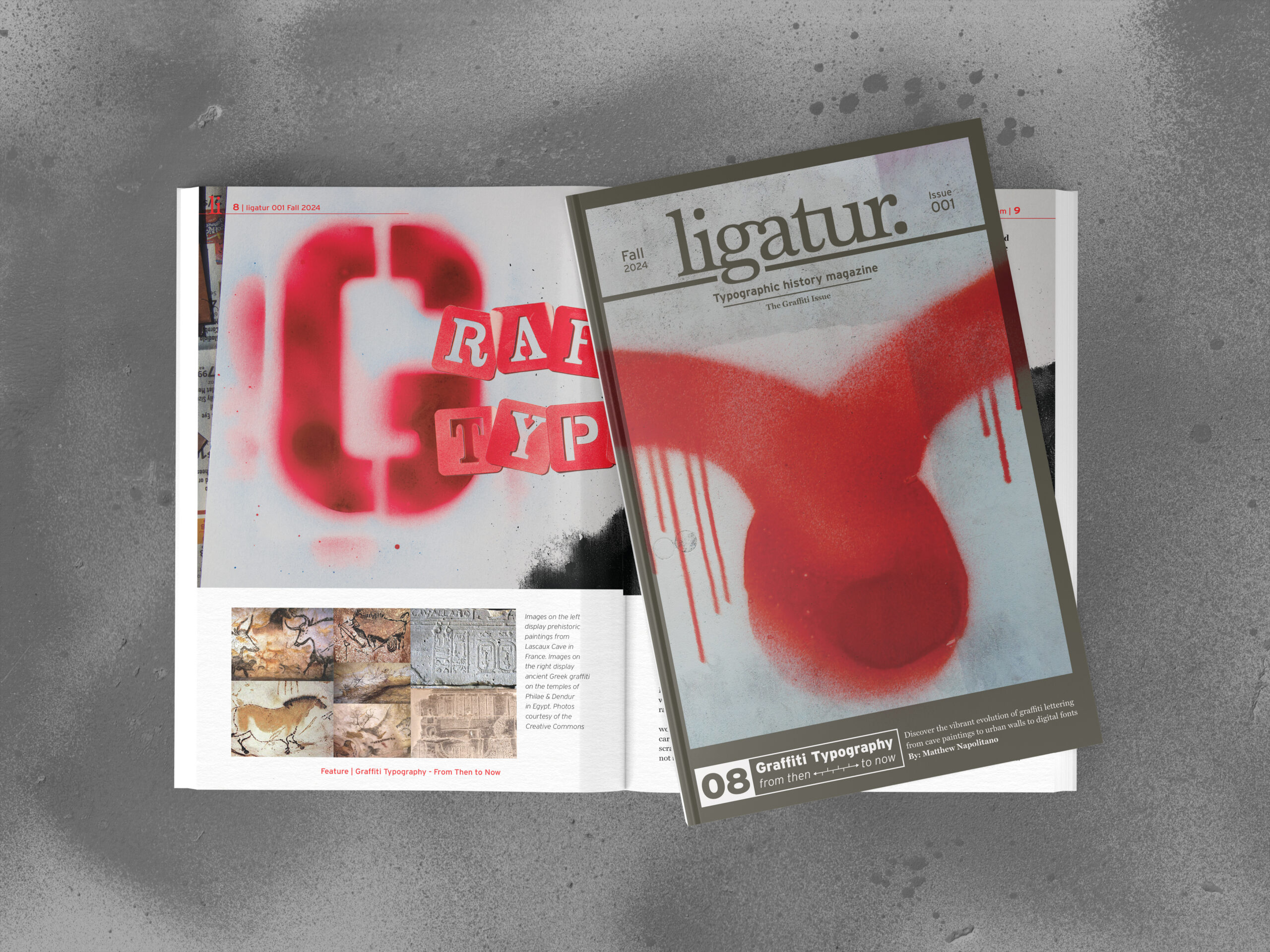
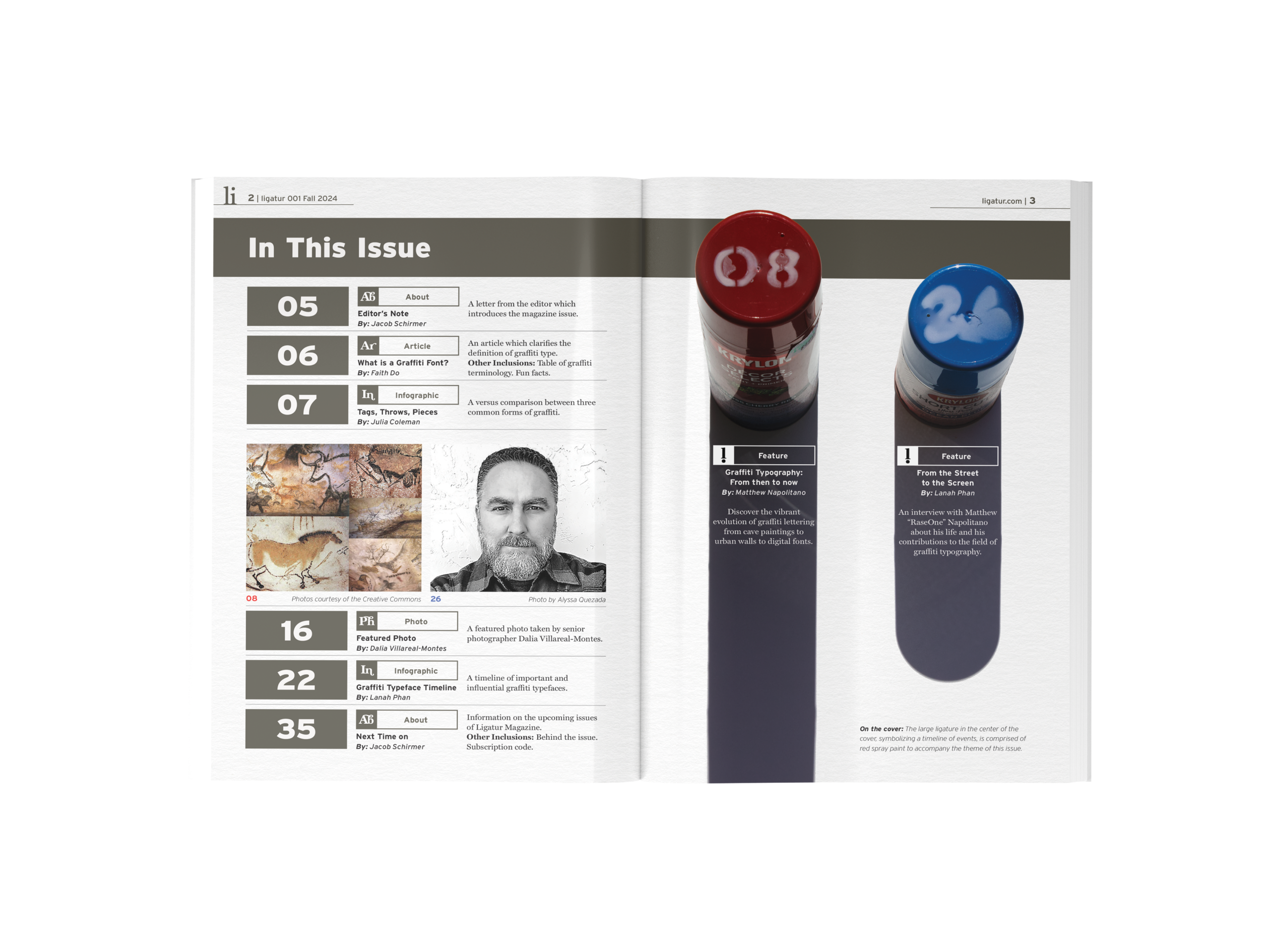
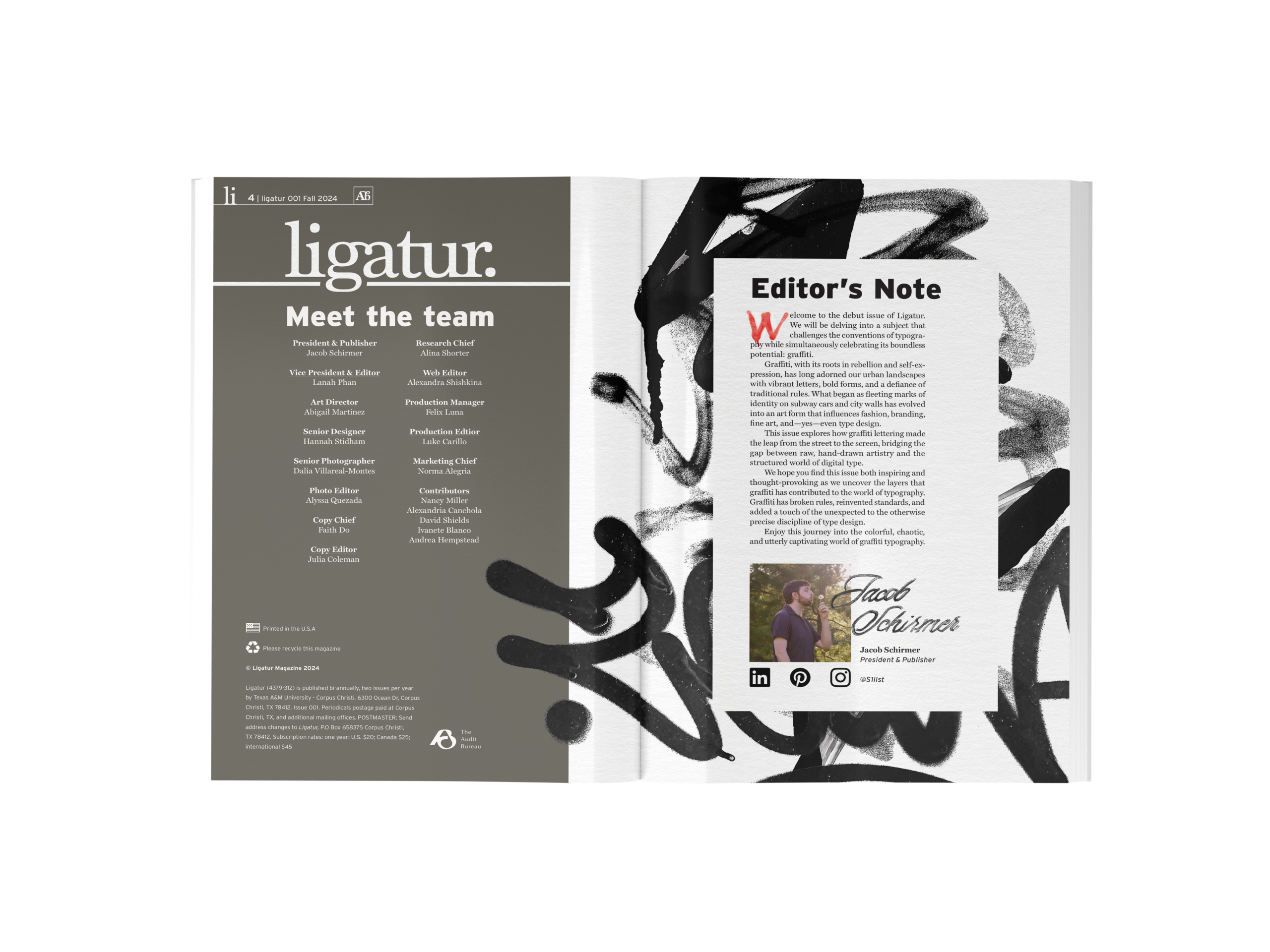
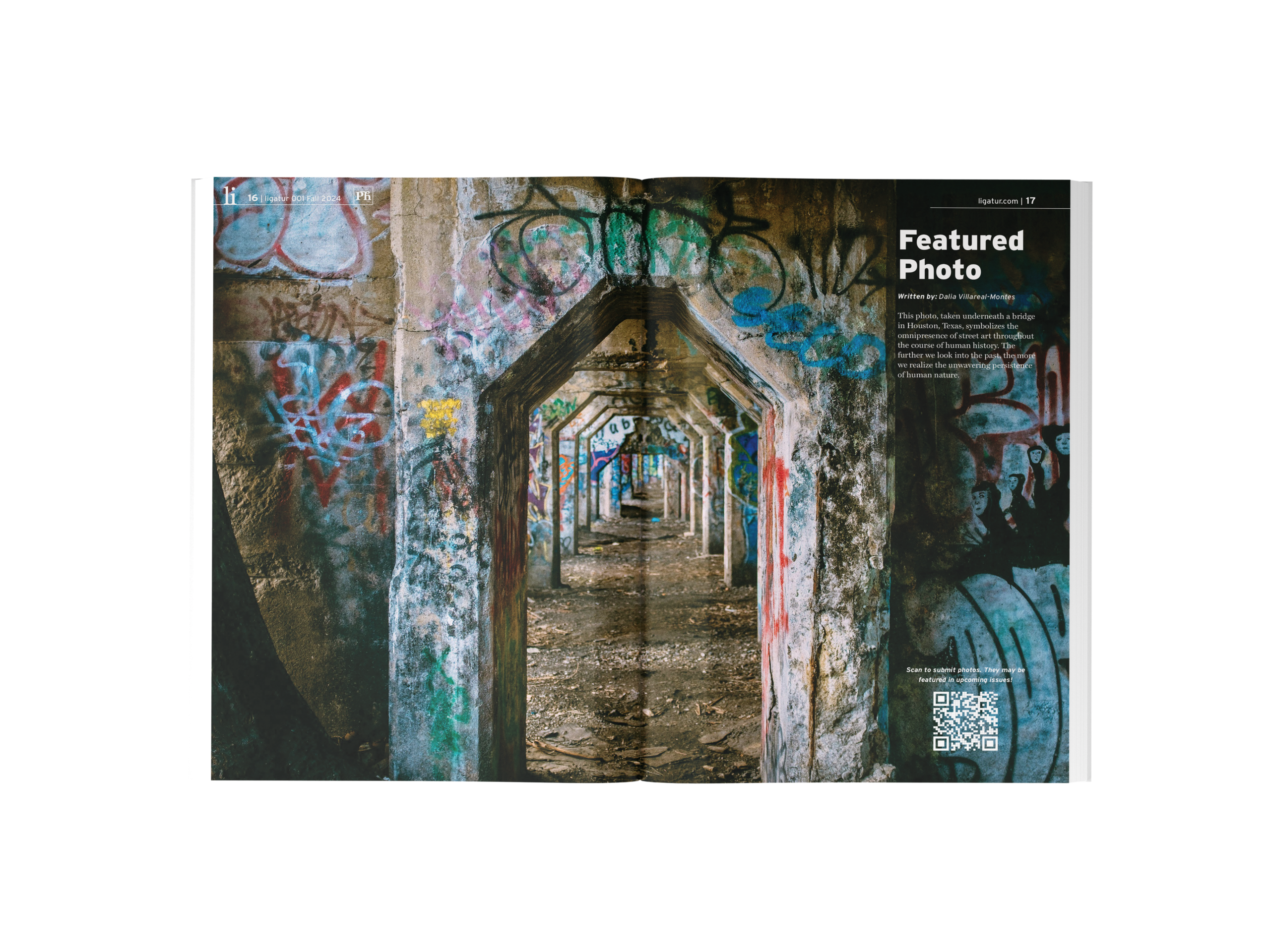
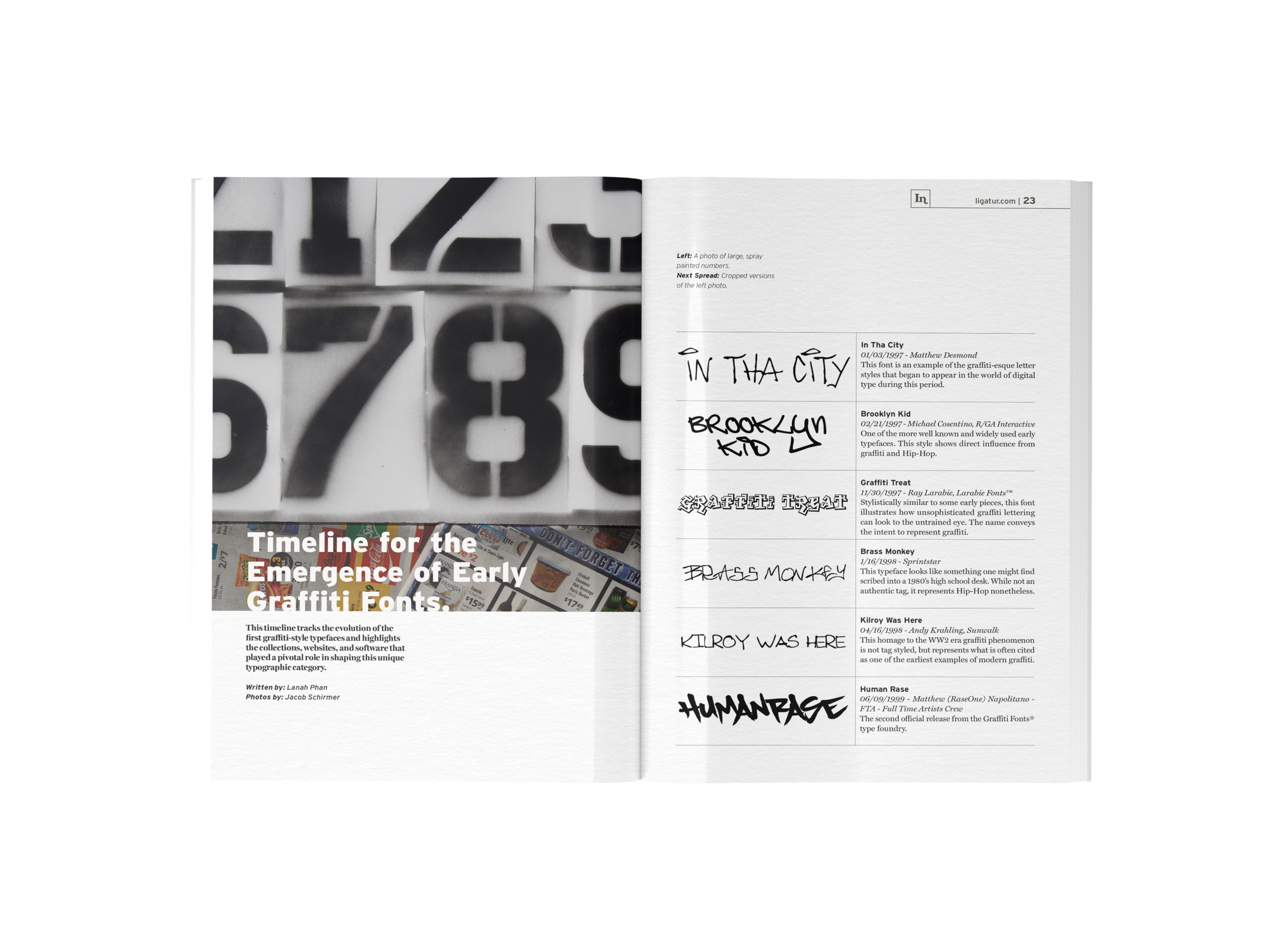
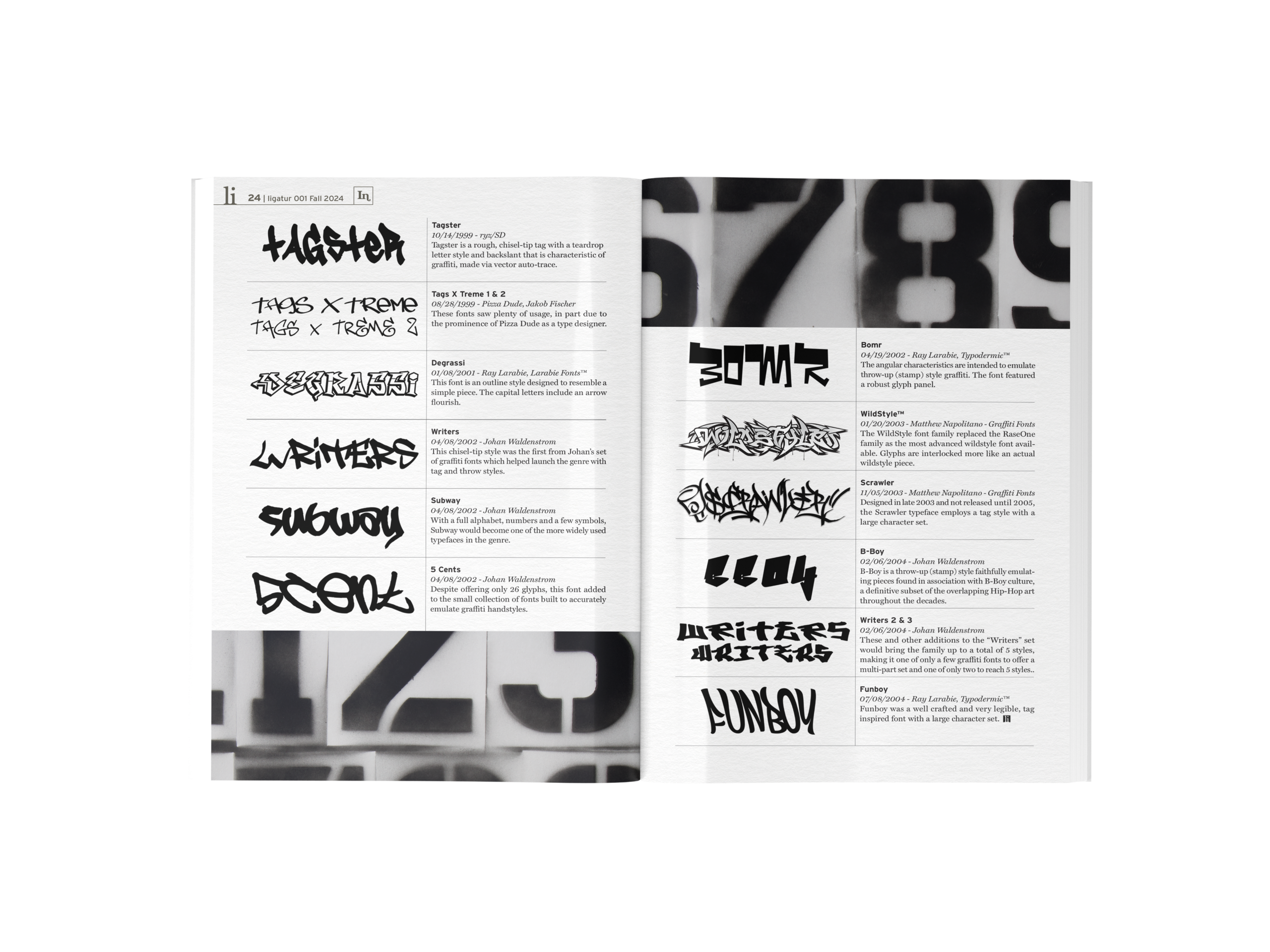
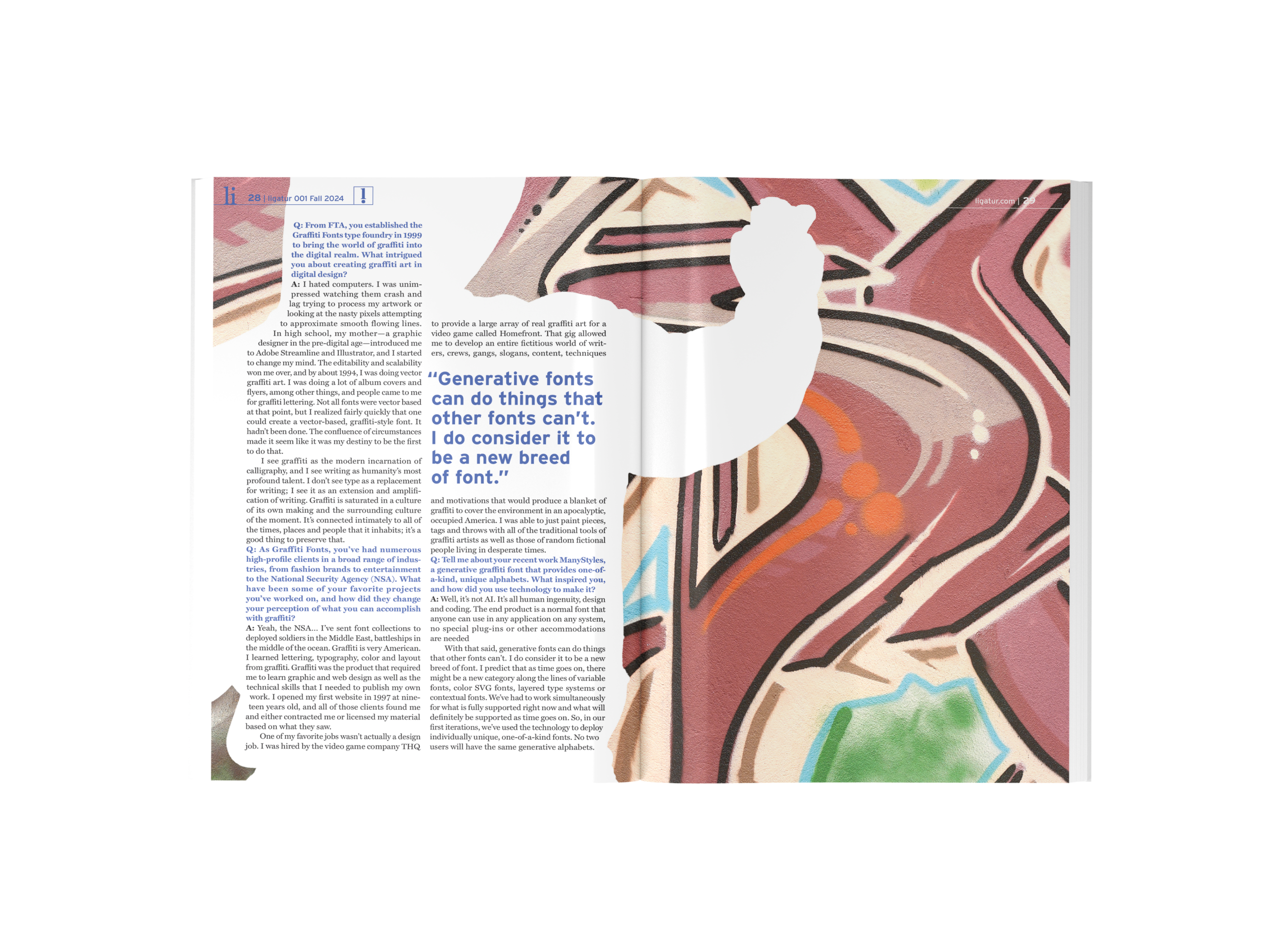
    Ligatur. is a 6×9in typography publication released bi-annually — a format chosen deliberately. The smaller trim size distinguishes it from letter-size competitors, improves portability, and reinforces the brand’s understated voice. The bi-annual schedule aligns with university semesters, reflecting that students and designers make up the core readership. The name carries a double meaning: a ligature is a typographic feature connecting two or more letterforms, mirroring how the magazine connects typographic history to the present day. The German spelling nods to Germany’s outsized influence on the field — from Gutenberg’s press to the Bauhaus.

    The design balances an authoritative voice with visual boldness — a necessity for a publication targeting designers, who expect to see strong work. This balance is achieved through established typefaces like Miller and Interstate, largely geometric layouts, and physically created artwork, which lends the publication an innate sense of legitimacy. A neutral primary palette establishes credibility, while vivid secondary colors create accent, focal points, and organizational structure. Fine details like postmaster information, subscription codes, and mailing addresses were included to make the publication feel genuinely in circulation. Content flows from digestible context and infographics at the opening — hooking the reader and seeding later topics — into a comprehensive chronological deep dive into typographic history.